
Browse using the new Vinous website now. Launch →
Printed by, and for the sole use of . All rights reserved © 2015 Vinous Media
Southwold: 2016 Bordeaux, Ten Years On
BY NEAL MARTIN | APRIL 16, 2026
Introduction
“The 2016 Bordeaux is a benchmark vintage that may ultimately be regarded as a pivotal turning point for the region.”
Which château owner is hyping their wine now?
Mea culpa. That is the opening sentence to that year’s entry in “The Complete Bordeaux Vintage Guide,” written by your humble scribe. Talk about having a lot to live up to. From the time it was in diapers, the 2016 vintage was lavished with praise, so it was only right that it should undergo rigorous re-examination at the ten-year mark. As in previous years, I participated in two grouped tastings, a sighted tasting organised by Bordeaux Index and a blind tasting hosted by Farr Vintners. Each format has its own advantages and drawbacks. Whilst in most cases the notes from each tasting corroborate each other, there were inevitable discrepancies, in which instances I’ve included both reviews separately to enable readers to compare and contrast.
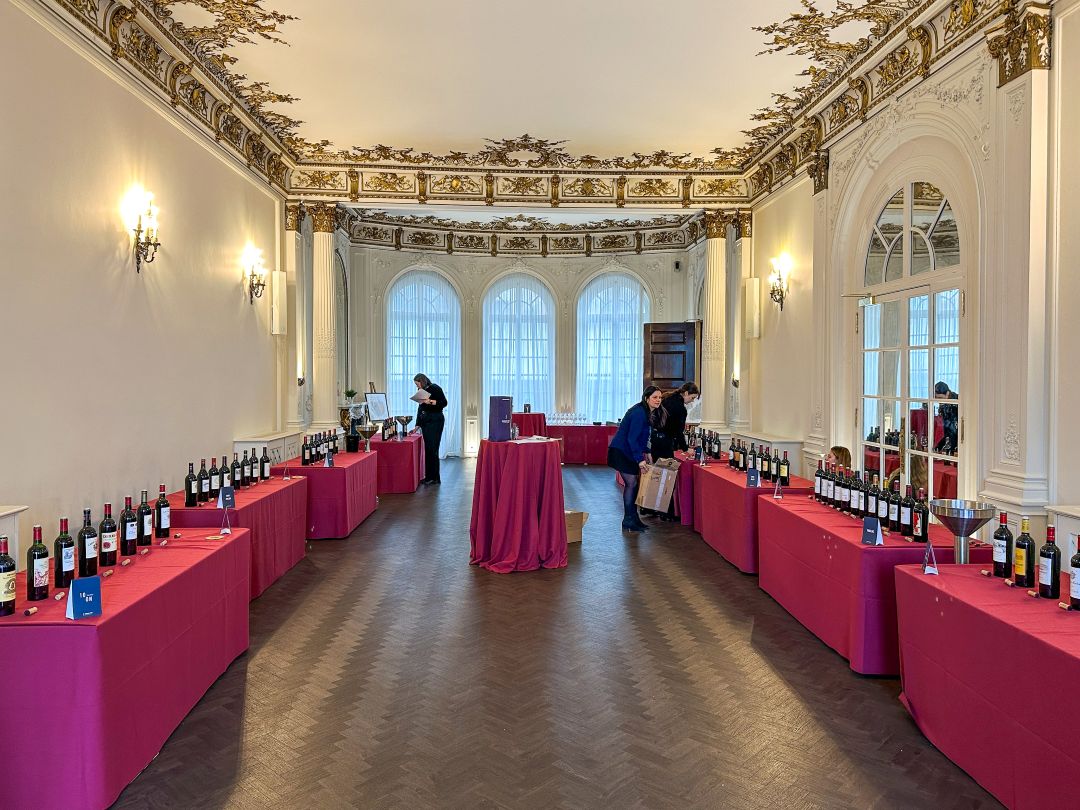
I arrived at Bordeaux Index’s 2016 tasting early. I was unable to taste all of the wines, but I managed to work my way around the major châteaux before the room began to fill.
Naturally, there was a great deal of anticipation leading up to these tastings. It was vital to remain objective and not misuse them as a means to validate one’s initial impressions. This was a chance to observe the wines’ evolution at a significant milestone—if that meant walking back a previous glowing review, or vice versa, then so be it. Expectations will always be high when uncorking a ’16 Bordeaux, but that does not guarantee the wines will deliver.
First, a reminder of the growing season…
Growing Season
June 17. A short drive in my rental car from Le Pin to Clinet. Five minutes, max. The sky looks like Hades on a bad day. The rain has been unrelenting in recent days, and Pomerol’s drainage system cannot cope. The heavens open and roads suddenly turn into rivers. Vines hold their breath as turbid waters lap against bunches. Where’s the lifeguard? At one point, a winemaker ahead frantically waves his arms to warn me of danger; I reverse the car to avoid drowning, which was not on that morning’s itinerary.
Difficult as it might be to believe, this was in 2016, a couple of days before sunny and warm conditions settled in for the remainder of the season. Up to that point, the rain persisted through the first six months of the year. Despite regular bud-burst, many winemakers feared a sequel to 2013. The first stroke of luck came when flowering coincided with a brief window of sunny, dry weather between June 3 and 11, so that at least a decent-sized crop was possible. On June 20, the sun came out, though it was not until mid-July that temperatures began rising towards 30°C. From June 20 to September 13, there was just 25 mm of rain, with a mere 5.5 mm in Saint-Estèphe. Crucially, there were no heat spikes and only four days in August when the mercury climbed above 30°C. But there were 26% more sunlight hours than the historical average. Coupled with cool nights, the diurnal temperature variation locked in acidity and accreted anthocyanin levels, which were ultimately higher than in 2009 and 2015. It was the perfect environment to ripen berries.
Haut-Brion began picking their whites on September 1. A few days later, there was some consternation that the lack of rain was inducing hydric stress, especially with respect to young vines on free-draining soils, where leaves began to curl. However, there was more good luck: 20 to 50 mm of rain fell on September 13 and restarted the vines’ engines so that they could cruise towards phenolic ripeness. Eric Kohler, winemaker and technical director at Lafite-Rothschild, explained how the dryness and stress built gradually over the summer, from the beginning of véraison onward. “We were worried about the thick skins and potential hardness. The rains finished the maturation process, and that was the key. Without that rain, the wines would not be so rich and elegant,” Kohler said. One further spell of rain on September 30 threatened localised rot. The main picking began in October with Merlot during the first week and Cabernet Sauvignon on October 15 or 16.
I vividly recall the infectious high spirits of the pickers, which I witnessed firsthand. Châteaux were blessed with healthy bunches, with just a bit of grillure to look out for on the Right Bank. Musts were lucid in colour with average alcohol levels, mostly between 13° and 14.5°. While regions like Champagne and Burgundy suffered depleted yields due to frost damage earlier in the season, volume in Bordeaux was up 7% from the previous vintage.
The Wines
Since I quoted myself at the beginning of this article, allow me to do it again. I dug out my original report from 2019 that adumbrated how each appellation performed at the Southwold tasting. I’ve included the original sentence in italics, followed by how the wines showed at this year’s retrospective tastings.
“Saint Estèphe is stronger in 2016 than 2015, though do not overlook the tremendous 2014s.”
The Ten-Year-On tastings bear this out, though I do not think anyone expected such a fabulous showing from the 2016 Ormes de Pez. This stupendous wine from the Cazes family surpassed all expectations, combining power and finesse as Bordeaux so effortlessly does. It was actually reinserted into another flight just to double-check. That bottle performed even better, and I’ve published two separate notes in this report just to reinforce that fact. Given market prices, this would be high on my shopping list. It is not the only château that punched above its reputation; the 2016 Phélan Ségur sported a divine, Pauillac-like finish. Both of the aforementioned challenge the supremacy of the brilliant Montrose, whose purple patch extends from the 2014 vintage to today. I gave the 2016 Cos d’Estournel a perfect score just after bottling, and though it did not achieve those heights here, its long-term potential was evident. I did not think the Calon-Ségur was representative and will seek to revisit it later. Overall, this was a strong showing for Saint-Estèphe.
“Pauillac is probably equal in both 2015 and 2016.”
Following the Ten-Year-On horizontals last year, this is no longer the case. I would certainly place the 2016s ahead of the 2015s. This was an exceptional flight, though in this instance, I felt that the bottles poured at the sighted tasting (which were afforded more time to open) showed better than those at the blind tasting. The 2016 Latour was spellbinding at Bordeaux Index, completely vindicating the perfect score I awarded it a few months ago. By contrast, I was not the only one flummoxed by the bottle at the blind tasting, which lacked the normal structure and freshness of previous examples. The 2016 Lafite-Rothschild was consistent between both tastings, ditto the wonderful 2016 Mouton-Rothschild.
If First Growths are too expensive in these straitened times, consider the heavenly 2016 Lynch Bages that continued Jean-Charles Cazes’ best performance at any Southwold or Ten-Year-On tasting. Again, poured twice to double-check. Christian Seely and his team oversaw one of the finest Pichon Baron wines in living memory, its nose in front of the 2016 Pichon Comtesse de Lalande. Other notable successes include the 2016 Batailley, arguably the best value-for-money by some distance, and the 2016 Haut-Batailley—Cazes again, at least in terms of élevage, since it was made during the handover period from the Xavier Borie. Speaking of which, maybe I was expecting a little more élan from the 2016 Grand-Puy-Lacoste? However, this Pauillac can require more time to come around, often less flattering in its flush of youth. Pontet Canet was another that prompted mass scratching of heads, and the blind example tasted completely different from the one served at the château. Nevertheless, the flight of Pauillac wines performed extremely well.
“Saint-Julien seems slightly stronger in 2016 than 2015.”
Saint-Julien enjoyed a typically solid performance. Perhaps given its strong run of form, the bar was set high and a few properties clipped it on the way over. In other words, this was not the cavalcade of superlative 2016s that some had hoped it would be, despite seriously fine wines such as Léoville Las Cases, Barton and Poyferré (even though the latter at the blind tasting was not the best example). The 2016 Ducru-Beaucaillou came across as elegant and poised, surely readying itself for a higher score down the line. A few participants were surprised by the pedigree of those twins, Gloria and Saint-Pierre. Together with the perennially underestimated Lagrange, this trio probably represents the best value in today’s market. You can’t really go wrong apropos the Saint-Julien ‘16s.
“Margaux? I suspect that the 2015s will marginally shade the 2016s.”
This might hold true. However, a candidate for wine of the vintage resides here. Of course, that is Château Margaux. I considered awarding a perfect score—easy-peasy when you see the label, a different matter blind. The ’16 Margaux offers a killer combination of finesse and power, with those silky tannins and precision on the finish that render it totally seductive. The 2016 Palmer was more rambunctious, with an opulent and velvety finish that will appeal to those who like a soupçon of hedonism, while the fabulous Brane-Cantenac will tickle the taste buds of any classicist, paradoxically more reserved yet luxurious. I could elope with the 2016 Rauzan-Ségla, whose value is perhaps only surpassed by the Deuxième Vin, the Ségla—not for the first time, some mistook it for a Grand Vin. Other notable successes include the 2016 Ferrière and Labégorce, both relatively good values.
“Pessac-Léognan, like Pauillac, produced a raft of 2016s equal to the previous year. The dry whites were hindered by the dry weather and lack a bit of excitement. Saint-Émilion and Pomerol’s 2015s are ahead of the 2016s by a nose. Fronsac performed extremely well in 2016; Lalande-de-Pomerol, curiously less so.”
There is not much I would change regarding these statements. Unfortunately, I did not have the opportunity to taste the dry whites. As for the reds, perhaps we should commence with the fabulous 2016 Smith Haut-Lafitte, given the recent loss of Co-Proprietor Daniel Cathiard. What a brilliant wine. It seems to have conjured more mineralité on the finish and exudes the essence of what Pessac-Léognan should be. Perhaps as expected, the 2016 Haut-Brion showed extraordinary flair and class at both tastings, though I noticed a little alcoholic warmth in the blind tasting. The growing season levelled things up such that the likes of Les Carmes Haut-Brion, Domaine de Chevalier and Haut-Bailly are only a whisker behind and, it needs to be said, less injurious to bank balances. The 2016 La Mission Haut-Brion impressed at Bordeaux Index, while the bottle poured blind was muddled by comparison. Round of applause for the 2016 Château de Fieuzal and Larrivet Haut-Brion, which can turn up for sale at reasonable prices.
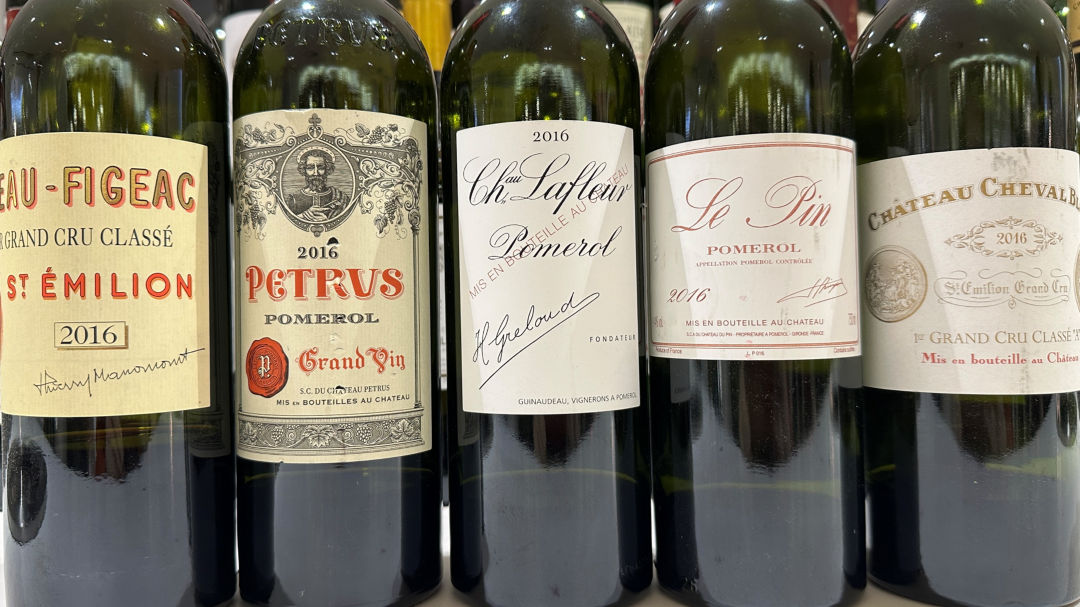
Shimmying over to the Right Bank, Saint-Émilion was the usual mixed bag. There was some discussion about where the appellation sat stylistically in 2016 as it transitioned away from the turbo-charged wines of yore. There was still some hangover from that period, and the likes of Gracia and Péby-Faugères did not mature well in bottle. Before I am accused of disliking garagistes (amazing how that word was everywhere 20 years ago and is hardly mentioned nowadays), the Virginie de Valandraud was almost as good as the Grand Vin. Certainly, the 2016 Angélus is one of that decade’s peaks, both bottles impressive sighted and blind, though the 2016 Cheval Blanc leads the pack, displaying dazzling complexity and grip. Wow. The 2016 Figeac might challenge Cheval Blanc in the future, supremely well defined with a silver thread of acidity that keeps it on its toes. I have had several bottles in recent months, and it is a long-term runner. The 2016 Canon is exceptionally fine with its satin veneer, perhaps just a little closed on the finish. Staying up on the limestone plateau, it was intriguing to compare the two Beauséjour wines, Bécot with its nose just in front of Duffau Lagarrosse. The Bécot probably represents one of the best values in today’s market.
Pomerol was generally better received than Saint-Émilion. Petrus, tasted twice, is quite brilliant, though on equal footing with the stunning (and cheaper) Vieux-Château-Certan, which is blessed with unbelievable persistence on the finish. Lafleur is biding its time and might seem a bit curmudgeonly compared to its more flattering neighbours, but we all know how this needs time to blossom. Give it another half-dozen years. I felt these had a little more complexity than the more hedonistic 2016 Le Pin, again tasted twice. Other impressive Pomerols include Trotanoy, La Fleur-Pétrus, La Conseillante and L’Evangile. Since I have regularly meted out criticism, it was a pleasant surprise to find the 2016 Certan de May showing well. The 2016 l’Église-Clinet seemed closed, as it is wont to be in its youth, hence both my score and the plus sign that will definitely come into play as it matures. Some wines raised questions. There were two odd showings of La Violette compared to a precise Le Gay, a rather bombastic Rouget and one errant bottle of Hosanna. Otherwise, Pomerol hit multiple sweet spots in 2016.
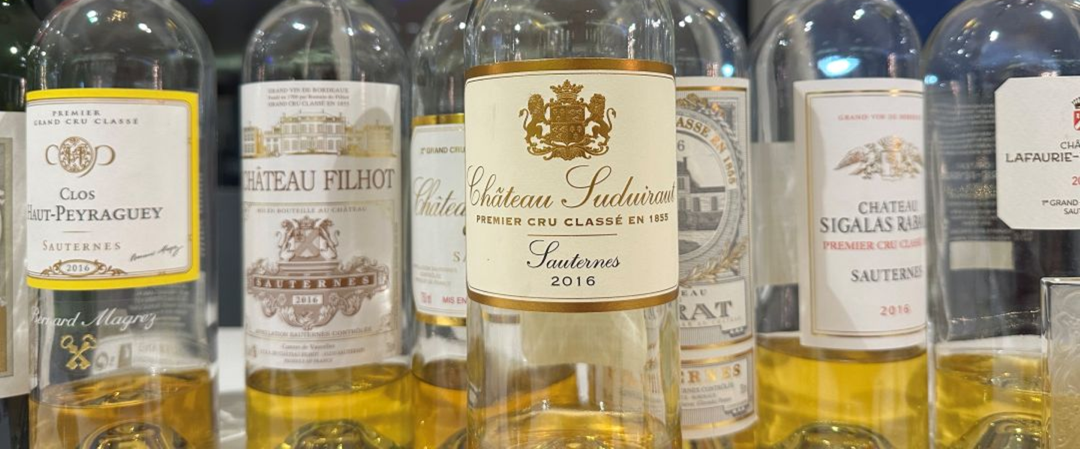
It was a decent though not spectacular vintage for the Sauternes, perhaps sidelined by the reds. Star of the show? Suduiraut has been firing on all cylinders recently, and this outstanding Sauternes brims with intensity and finesse— a sense of grandeur. Yquem is impressive, though even after a decade, it still needs to eat up the remaining new oak. Guiraud, Doisy-Daëne and Lafaurie-Peyraguey were also very fine, though I could not understand what was wrong with Climens, which was disqualified from the blind tasting. I will seek to revisit it soon.
The Market for 2016 Bordeaux
Should you go out and buy the 2016s?
According to many on the merchant side, the campaign for the 2016s was the last primeur that seemed to generate true excitement about the wines, leading to strong sales. Prices today are generally on par with what they were at the time of release, which calls into question the value of buying primeur altogether. Current stocks of 2016s are low. They are not sitting on the shelf like more recent vintages, and in terms of how prices subsequently performed, perhaps this was indeed the last truly successful primeur.
Does that mean original buyers pocketed a profit? Judging by original primeur versus current market prices, the answer is that it depends on what you bought at the time. If you bought Pichon-Comtesse de Lalande or Montrose, you are looking at healthy returns of 55% and 40%, respectively. Figeac and Beychevelle were also good buys. Conversely, Pavie is trading 44% down, La Mission Haut-Brion, 37%. Of course, this is not necessarily a reflection of quality, but a measure of the dissonance between what châteaux and consumers judge the wine to be worth. The wine is worth nothing until it is sold.
Final Thoughts
The 2016 vintage augured a new era for Bordeaux in terms of style, with silkier tannins, more approachable wines, lower alcohol and less reliance on new oak. The 2016s left you feeling giddy with excitement from barrel, and that has never really changed. Most live up to expectations, although they do require decanting, and a majority at the top of the pyramid are only in their first chapter. Personally, I am sitting on my 2016s for another five to ten years—there are other vintages to be drunk sooner, perhaps even the 2017 or 2021s. The 2016s are those that you might reserve for special occasions.
I still view 2016 as a turning point for Bordeaux. It is a vintage in which winemakers’ and wine-lovers’ dreams came true. What producers could not have known at the time of release was the succession of hot growing seasons that would follow, pushing the wines towards a more opulent style despite attempts to contain sugar levels. It was also before the wheels fell off en primeur thanks to mispriced releases. Listen carefully before bedtime in Bordeaux and I am sure you will hear prayers that the 2025s will see a repeat of a campaign similar to the 2016s. Whatever transpires as the 2025s come into view, 2016 is a permanent reminder of the peaks that wine can achieve.
© 2026, Vinous. No portion of this article may be copied, shared or redistributed without prior consent from Vinous. Doing so is not only a violation of our copyright but also threatens the survival of independent wine criticism.
You Might Also Enjoy
The DBs: Bordeaux 2016 In Bottle, Neal Martin, 2019
Bordeaux 2015 At Age Ten, Neal Martin, June 2025
Bordeaux 2023 in Bottle: Coming Around Again, Neal Martin, February 2026
Intellect & Senses: Bordeaux With Time, Neal Martin, March 2025
Test of Endurance: Bordeaux 2014 Ten Years On, Neal Martin, March 2024
Show all the wines (sorted by score)
- Angélus
- Ausone
- Batailley
- Beaumont
- Beauregard
- Beau-Séjour Bécot
- Beauséjour Héritiers Duffau-Lagarrosse
- Bélair-Monange
- Belgrave
- Berliquet
- Bernadotte
- Beychevelle
- Bouscaut
- Branaire-Ducru
- Branas Grand Poujeaux
- Brane-Cantenac
- Branon
- Calon Ségur
- Canon
- Canon-la-Gaffelière
- Cantemerle
- Cantenac Brown
- Certan de May
- Château Margaux
- Cheval Blanc
- Clerc Milon
- Climens
- Clinet
- Clos de l'Oratoire
- Clos du Marquis
- Clos Haut-Peyraguey
- Clos la Madeleine
- Cos d'Estournel
- Coutet
- d'Angludet
- d'Armailhac
- Dauzac
- de Fieuzal
- de Myrat
- d'Issan
- Doisy-Daëne
- Doisy-Védrines
- Domaine de Chevalier
- Ducru-Beaucaillou
- Duhart-Milon
- Durfort-Vivens
- du Tertre
- Ferrière
- Figeac
- Filhot
- Gazin
- Giscours
- Gloria
- Gracia
- Grand Mayne
- Grand Puy-Lacoste
- Gruaud Larose
- Guiraud
- Haut-Bages Libéral
- Haut-Bailly
- Haut-Batailley
- Haut-Brion
- Haut-Marbuzet
- Hosanna
- Kirwan
- Labégorce
- La Clotte
- La Conseillante
- La Dominique
- Lafaurie-Peyraguey
- Lafite Rothschild
- Lafleur
- La Fleur de Gay
- Lafleur-Gazin
- La Fleur-Pétrus
- Lafon-Rochet
- La Gaffelière
- Lagrange
- La Lagune
- La Mission Haut-Brion
- La Mondotte
- Lamothe-Guignard
- Langoa Barton
- Larrivet Haut-Brion
- Latour
- La Tour Carnet
- Latour-Martillac
- La Violette
- Le Bon Pasteur
- Le Gay
- L'Eglise-Clinet
- L'Église-Clinet
- Léoville Barton
- Léoville Las Cases
- Léoville Poyferré
- Le Pin
- Les Carmes Haut-Brion
- Les Cruzelles
- L'Evangile
- L'If
- Lynch Bages
- Lynch-Bages
- Lynch-Moussas
- Malartic Lagravière
- Malescot St. Exupéry
- Marquis de Terme
- Meyney
- Monbousquet
- Monbrison
- Montlandrie
- Montrose
- Moulin Riche
- Mouton Rothschild
- Nénin
- Ormes de Pez
- Palmer
- Pape Clément
- Paveil de Luze
- Pavie
- Pavie Macquin
- Péby-Faugères
- Pédesclaux
- Petit-Village
- Petrus
- Phélan-Ségur
- Pichon Baron
- Pichon-Longueville Comtesse de Lalande
- Pontet-Canet
- Poujeaux
- Prieuré-Lichine
- Quinault l'Enclos
- Quintus
- Rauzan Gassies
- Rauzan-Ségla
- Raymond-Lafon
- Rayne-Vigneau
- Rieussec
- Rochebelle
- Rouget
- Saint-Pierre (Saint-Julien)
- Siran
- Smith Haut Lafitte
- Suduiraut
- Talbot
- Tertre Roteboeuf
- Tronquoy-Lalande
- Troplong Mondot
- Trotanoy
- Trotte Vieille
- Valandraud
- Vieux Château Certan
- Yquem