
Browse using the new Vinous website now. Launch →
Printed by, and for the sole use of . All rights reserved © 2015 Vinous Media
Campania’s Reawakening: Beyond the Shadow of Taurasi
BY ERIC GUIDO | AUGUST 4, 2026
Article Additions: August 25, 2026 - Ciro Picariello
In just a few short years, Campania has embraced a broader, more global outlook. Recent tastings have revealed purer, fresher wines from every corner of the region. Due to Aglianico’s long release cycles, it may take as long as a decade for consumers to fully see the technical improvements producers are making today, but the changes are already evident. Reliance on small barrels and new oak is down. Barrels are larger and, thankfully, cleaner, while concrete, amphora and stainless steel are increasingly common. Everywhere you look, change is afoot.
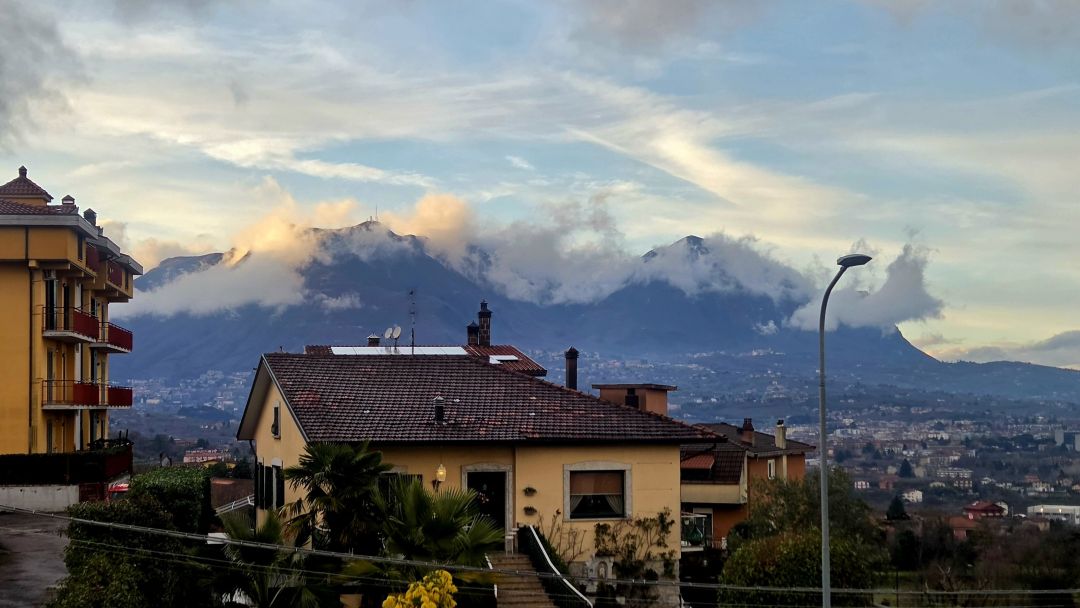
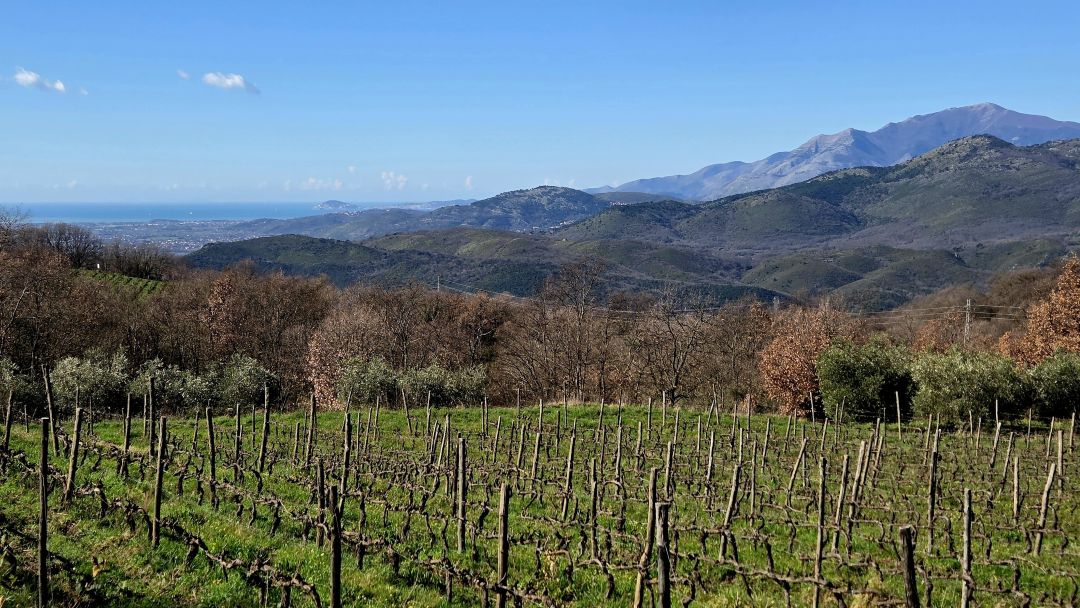
The dramatic mountain landscape of Avellino in Irpinia.
Campania’s wine landscape encompasses four DOCGs and 15 DOCs, spread across mountainous inland territories, volcanic zones, coastal hills and islands. The mountainous territory of Irpinia, home to three of those DOCGs — Taurasi, Fiano di Avellino and Greco di Tufo — has long been considered the region’s primary hotbed of quality. Yet exceptional diversity exists elsewhere. Further south, in Cilento, Mediterranean seaside vineyards meet high-elevation limestone amphitheaters. North of Irpinia, Taburno delivers elegance over raw power, while farther west, Pontelatone plays host to a unique slate of indigenous varieties and Roccamonfina yields nuanced expressions from its mineral-rich volcanic soils. On the islands of Ischia and Capri, winegrowers scale steep, terraced vineyards to cultivate a litany of rare varieties.
Aglianico, Fiano, Greco and Falanghina are found throughout many of these areas, but Piedirosso, Pallagrello Nero, Casavecchia, Coda di Volpe, Biancolella, Forastera, Pallagrello Bianco and Caprettone offer equally compelling expressions of place.
Focus on Taurasi
The Taurasi DOCG, an Aglianico-based appellation encompassing 17 communes across the province of Avellino, is the heart of Irpinia’s red-wine identity. To many consumers, however, Taurasi can appear to be an indistinguishable mass of wines defined primarily by producer style or a recognizable name. While the legendary vintages of the 1960s relied on the expression of specific sites, that principle was largely abandoned over the last 40 years as large-scale production and “winemaking magic” replaced a sense of terroir. Today, a new energy is driving the rediscovery of distinctive locations throughout the appellation.
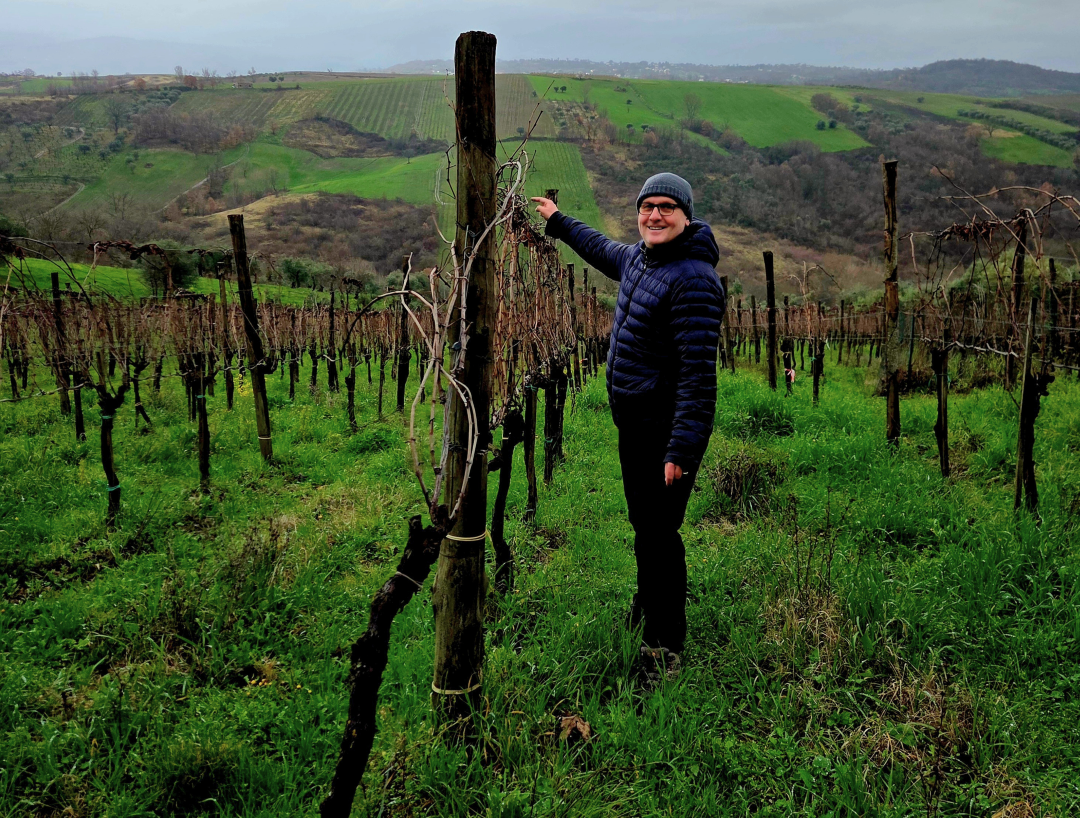
Winemaker Gian Luca Mazzella in his Aglianico vineyards in Paternopoli.
High-elevation areas in the southern portion of the Taurasi DOCG, including Paternopoli, Castelfranci and Montemarano, are once again sought after by terroir-driven winemakers. Once abandoned because of the brutal work required to farm in these places, these ancient vines, many of which resemble small trees, are now prized for their naturally moderated vigor and ability to achieve more complete tannin maturity.
The nearby Picentini Mountains create sharp diurnal temperature fluctuations, transforming what would otherwise be a Mediterranean environment into a more continental zone. As a result, Aglianico ripens later here than in many of the other Taurasi communes. Luigi Tecce, Azienda Agricola Tinessa, Salvatore Molettieri, Di Meo, Joaquin, Mazzella, Il Cancelliere and Perillo are among the producers championing these tiny parcels and their individual attributes. Their portfolios rank among the best in the region.
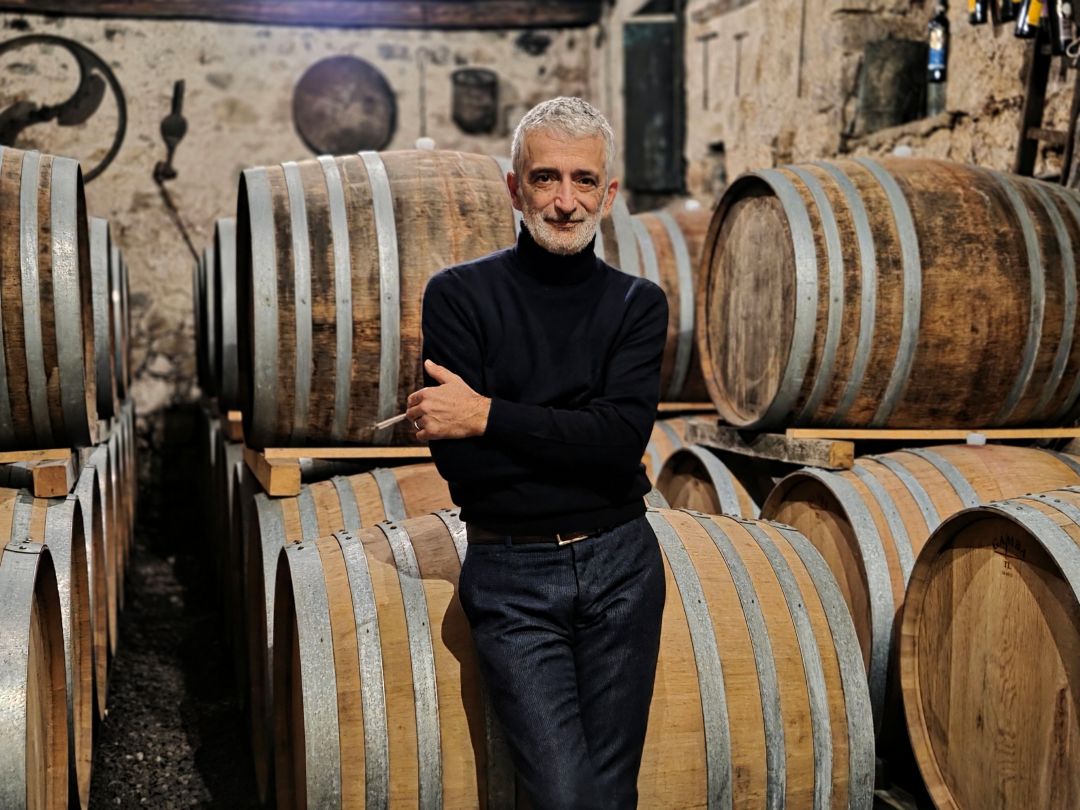
Luigi Tecce is making some of the best classically inspired wines in Campania.
Looking South: Cilento
Irpinia isn’t the only area experiencing a reawakening with Aglianico and Fiano. Further south, Cilento is often expected to produce warm, round and fruit-forward wines shaped entirely by proximity to the sea, yet the reality is far more complex. While large portions of Cilento stretch along the coastline, the Apennine Mountains run very close to the shore. Low-elevation, sun-soaked vineyards quickly give way to steep limestone cliffs and coastal ridges. At lower elevations, white varieties thrive in sedimentary soils of sandstone, marl and quartz. As the hills rise into thickly forested mountainous valleys, the soils shift dramatically to limestone and calcareous clay.
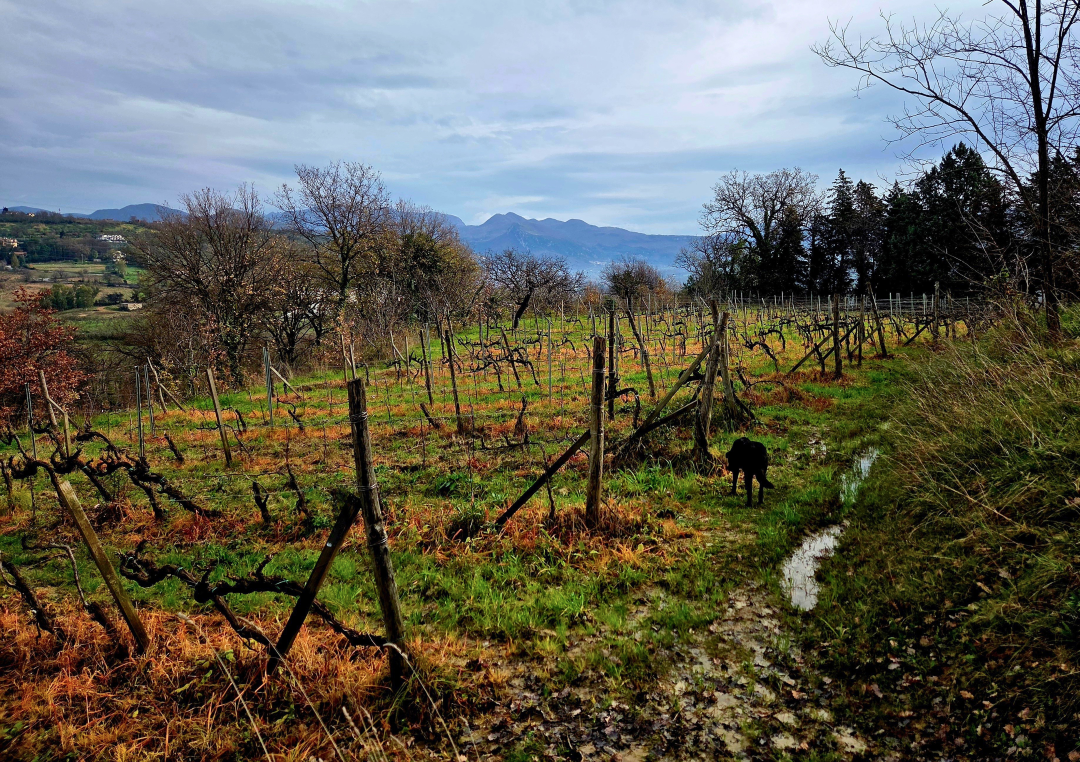
Old-vine parcels at Montevetrano, nestled in the hills of the Monti Picentini Regional Park.
San Salvatore 1988 offers a striking example of this topography. At 210 meters, Aglianico thrives in clay soils to produce the flagship Gillo Dorfles. Elevations then rise to between 550 and 650 meters at the Pian di Stio vineyard, the source of the estate’s mineral-intense Fiano.
One of my most eye-opening experiences took place while driving to visit Luigi Maffini. Beginning at sea level, I quickly ascended to 350 meters to find the winery perched atop an amphitheater of vines. While the area is officially classified as having calcareous clay soils, the vineyard itself looked like a moonscape of fractured rocks and stones. In that moment, the mineral-drenched, high-acid profile of Maffini’s whites and reds made perfect sense. This often misunderstood region is easily one of the most exciting pockets of terroir in Campania.
Looking North: Sannio and Caserta
North of Irpinia, the renewed focus on Aglianico extends into Sannio and the Aglianico del Taburno DOCG (Campania’s fourth DOCG), home to less intense interpretations of the variety. Here, I Pentri continues to impress. Marco Tinessa of Azienda Agricola Tinessa has also begun planting in the area, while Fontanavecchia, considered a benchmark for regional Aglianico, is now also producing single-parcel Falanghina that has caught my attention.
Moving west into the province of Caserta brings us to the Falerno del Massico DOC and the extinct Roccamonfina volcano. This varied landscape combines ancient volcanic soils with rugged mountains, limestone and thick forests. Here, Aglianico finds a natural blending partner in the spicy Piedirosso. Villa Matilde Avallone played a central role in reviving Falerno del Massico Rosso, a blend of Aglianico and Piedirosso with roots in ancient Rome. After locating pre-phylloxera vines in the 1960s, the estate began propagating its vineyards through massal selection. Falerno del Massico is generally more approachable in its youth than Taurasi but can also mature exceptionally well. Five hundred meters higher on the slopes of Roccamonfina, Galardi produces Terre di Lavoro, a textbook example of how gracefully blends of Aglianico and Piedirosso can age. Further east, Alois champions Pallagrello Nero and Casavecchia in the cooler, drier pocket around Pontelatone.
The Galardi vineyards on the slopes of the extinct Roccamonfina volcano.
Ageability Beyond Rosso
Campania’s white varieties also deserve serious consideration for the cellar. Fiano is already known for its longevity, but Greco di Tufo can mature with equal grace due to its firm acidic backbone. Both offer exceptional value compared with many ageworthy whites from elsewhere. I Favati reliably produces compelling offerings from both DOCGs. Within the following notes, readers will find multiple older vintages that remain current releases in the market, including a Di Meo Fiano from 1993. Falanghina, by contrast, is often most attractive in its youth, offering richness, freshness and vibrant fruit right out of the gate.
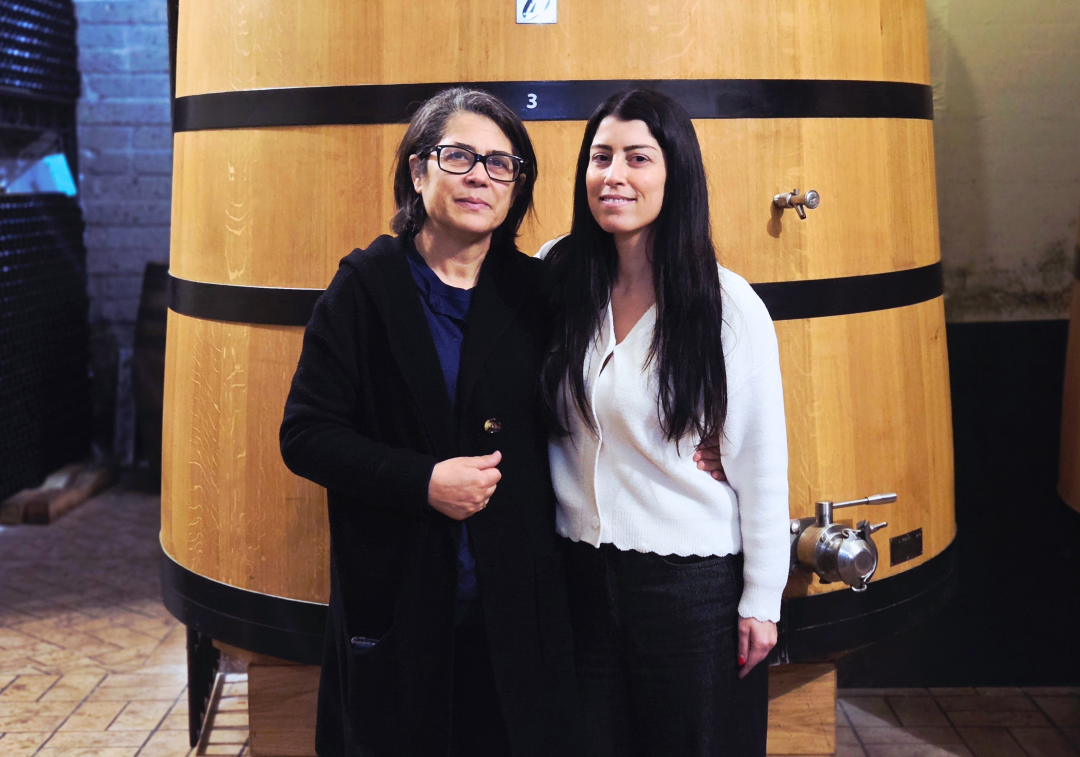
Rosanna Petrozziello and Carla Giusy Favati of I Favati.
Recent Vintages
In last year’s article, Making the Case for Campania, I examined the 2023 season and provided a comprehensive rundown of vintages stretching back to 2016. Readers seeking a broader vintage perspective should revisit that report.
A core issue in Campania remains the lack of coordination in releasing Aglianico. On my most recent trip, I tasted new releases from vintages as far back as 2018. Many producers intentionally hold their wines in bottle and delay releases in the hope of softening Aglianico’s aggressive tannins and bringing a more approachable wine to market. While I understand the challenges producers face, the resulting lack of uniformity creates confusion for consumers.
Coordinating and standardizing Taurasi release dates would allow for a more focused assessment of the vintages most relevant at any given time. This kind of broad-scale collaboration between producers would be very beneficial for consumers’ understanding of these wines in the market. As it stands currently, it would be premature to cast definitive judgments on Taurasis that will not reach the market for another three to six years, if not longer.
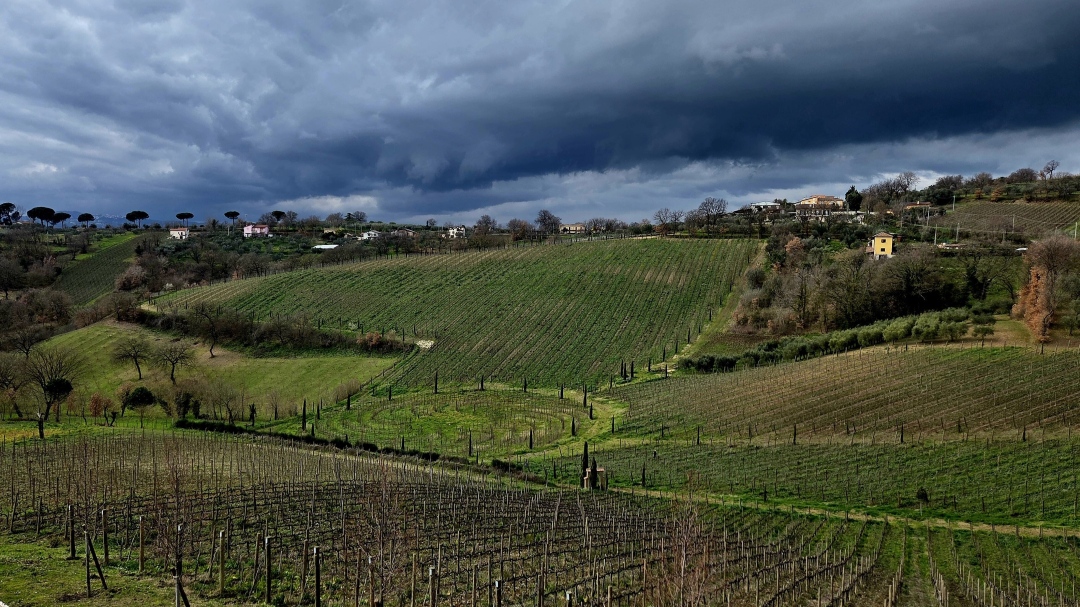
The Quintodecimo vineyards in Mirabella Eclano in the Taurasi area.
The 2024 Vintage
The 2024 vintage delivered deeply aromatic, concentrated yet harmonious white wines and crisp, fruit-forward early-release reds. Following the disastrous 2023 season, Campania enjoyed a balanced spring with ample precipitation. High temperatures and arid conditions arrived in June and persisted through August, causing vine shutdown and berry shrivel in some areas. The lack of disease pressure was the only silver lining.
Conditions improved in September, when temperatures dropped and regular light rain continued into October. This allowed vines to resume balanced ripening and extended the growing season. Greco and Fiano typically complete ripening in mid-to-late October, while Aglianico can remain on the vine well into November. These later-ripening varieties benefited most from the change in weather, while Falanghina suffered more from the summer heat and drought.
A number of wineries reported production approximately 20% below average, primarily due to the summer drought. The early evidence is encouraging for the best whites and for Aglianico from well-situated sites, although it remains too soon to draw firm conclusions about the region’s most important reds.
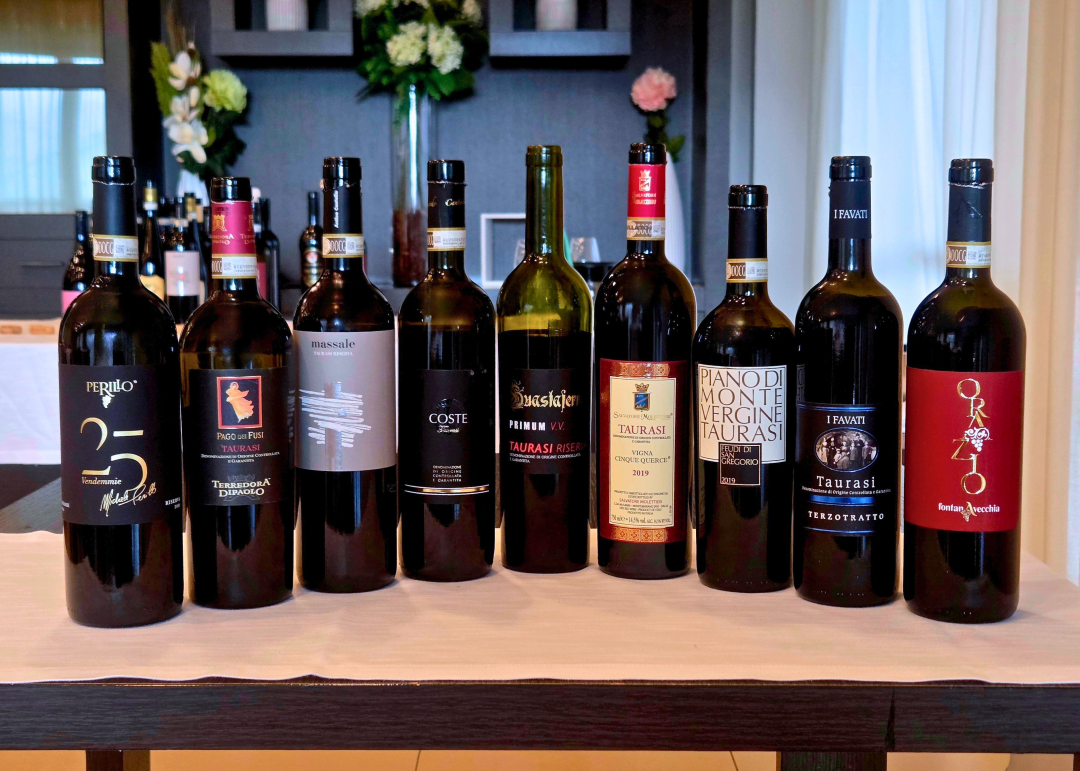
A selection of Aglianicos from across Campania.
I tasted the wines for this article in Campania in April 2026.
© 2026, Vinous. No portion of this article may be copied, shared or redistributed without prior consent from Vinous. Doing so is not only a violation of our copyright but also threatens the survival of independent wine criticism.
You Might Also Enjoy
Making the Case for Campania, Eric Guido, September 2025
Breaking the Mold: Campania’s Push to Reinvent Itself, Eric Guido, May 2024
Campania: Change Is Imminent…Or Is It?, Eric Guido, June 2023
Wines from Italy’s Volcanic Arc: Campania, Eric Guido, January 2022
Campania: Forgotten Realms, Eric Guido, May 2020
Show all the wines (sorted by score)
- 2Vite di Pietro Moschetti
- Aia dei Colombi
- Aia delle monache
- Aia delle Monache
- Alois
- Antico Castello
- Azienda Agricola Tinessa
- Benito Ferrara
- Boccella Rosa
- Cantine Astroni
- Cantine Matrone
- Cantine Olivella
- Capranera
- Casa Setaro
- Cenatiempo
- Ciro Picariello
- Colli di Lapio - Clelia Romano
- Contrada Michele
- Contrada Salandra
- Contrade di Taurasi - Cantine Lonardo
- Cosimo Capasso Vini di Montagna
- D'Ambra Vini d'Ischia
- Dell'Angelo
- Di Meo
- Fattoria La Rivolta
- Feudi di San Gregorio
- Fontanavecchia
- Francesca Fiasco
- Galardi
- Giovanni Iannucci
- Guastaferro
- I Favati
- Il Cancelliera
- I Pentri
- Joaquin SARL
- Luigi Maffini
- Luigi Tecce
- Lunarosssavini
- Mastroberardino
- Mazzella
- Monte di Grazia
- Montevetrano
- Perillo
- Pierluigi Zampaglione
- Quintodecimo
- Rocca del Principe
- Salvatore Molettieri
- San Salvatore 1988
- Tenuta Cavalier Pepe
- Tenuta Fontana
- Tenuta San Francesco
- Tenuta Sarno 1860
- Terredora di Paolo
- Terre Stregate
- Valhsassoli
- Vestini Campagnano
- Villa Matilde Avallone
- Villa Raiano